Common Pest Spray Mistakes People Make at Home
FixixPk PKPest spray can help control mosquitoes, lizards, termites, bed bugs, ants, cockroaches, and other household pests. However, many people do not get the expected results because they apply the spray incorrectly.
Sometimes the problem is not the product. The problem is the application method.
If you spray too little, apply it in the wrong places, or ignore hidden areas, pests may return again and again. That is why using pest spray properly is very important.
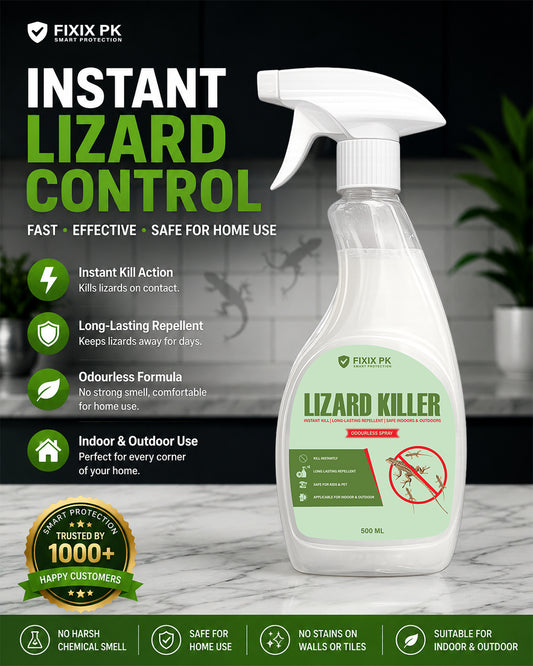
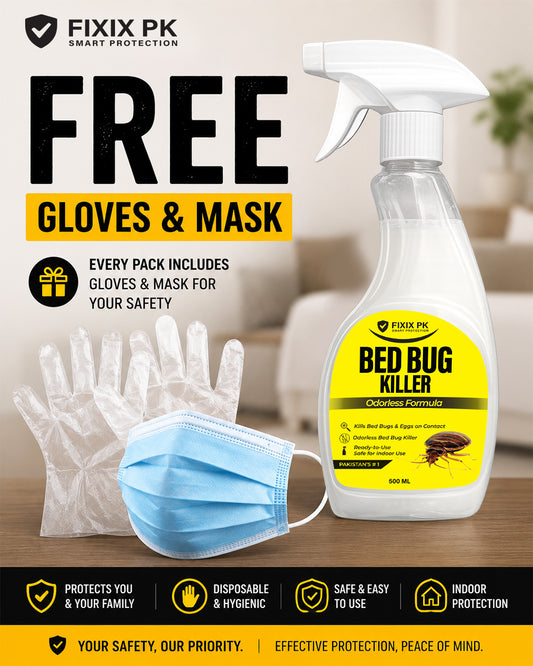
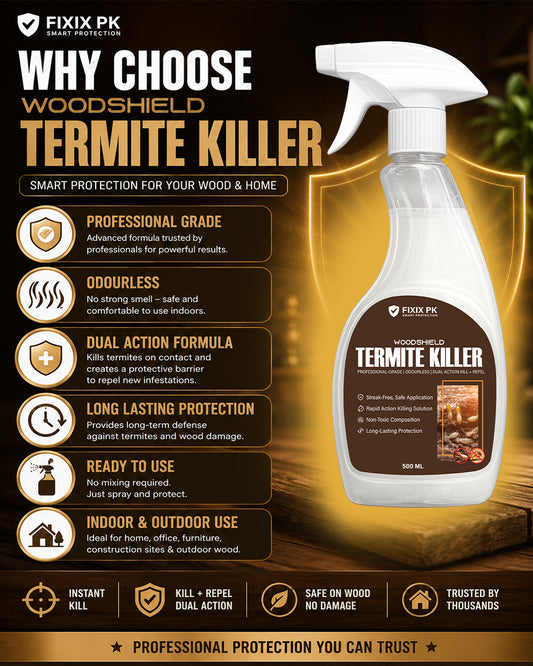
FIXIX PK pest control sprays are designed for smart home protection, but correct application can provide better results.
Why Proper Spray Application Matters
Most pests do not remain in open areas. They usually hide in corners, cracks, dark spaces, furniture joints, curtains, drains, and storage areas.
If you spray only the visible area, you may miss the actual hiding spots.
Common pest hiding areas include:
- Room corners
- Behind furniture
- Under beds
- Sofa gaps
- Mattress seams
- Wooden cracks
- Door frames
- Window edges
- Kitchen cabinets
- Bathroom corners
- Storage rooms
For better results, always target the areas where pests hide instead of spraying only where you see them.
Mistake 1: Spraying Only in Open Areas
Many people spray in the middle of the room and expect the pests to disappear. This usually does not work well because most pests remain inside corners, cracks, and hidden spaces.
Instead, focus on areas such as:
- Corners
- Gaps and cracks
- Entry points
- Behind furniture
- Under sinks
- Around windows
- Behind cabinets
Targeted application is usually more effective than random spraying.
Mistake 2: Not Cleaning Before Spraying
Dust, dirt, food crumbs, and clutter can make pest treatment less effective. These conditions may also provide pests with food and hiding places.
Before spraying:
- Remove dust
- Clean food crumbs
- Clear unnecessary clutter
- Wipe affected surfaces
- Remove loose wood powder when treating termites
- Vacuum mattresses and sofas when treating bed bugs
A clean surface helps the spray reach the target area more effectively.
Mistake 3: Over-Spraying
Using too much spray does not always provide better results. Over-spraying can make the area uncomfortable and may unnecessarily waste the product.
Use a controlled amount and apply it only where needed. A light and even application on the correct areas is usually better than heavy spraying everywhere.
Mistake 4: Ignoring Safety Precautions
Pest spray should always be used carefully.
Follow these basic safety precautions:
- Wear gloves if needed
- Keep children and pets away during application
- Avoid contact with the skin and eyes
- Do not spray on food or utensils
- Do not spray directly on clothes or bedding
- Use the product in a ventilated area
- Wash your hands after application
- Let treated surfaces dry completely before use
Safe application is just as important as effective application.
Mistake 5: Not Giving the Spray Time to Work
Some people spray an area and then clean it immediately. This may reduce the effectiveness of the treatment.
After spraying, let the treated area settle and dry. Avoid wiping or washing the surface immediately unless the product instructions specifically recommend it.
For indoor areas, allow proper ventilation and wait until the treated surface is fully dry before using the space normally.
Mistake 6: Not Treating Hidden Spots
Pests often return when their hiding places remain untreated.
For Mosquitoes, Check:
- Curtains
- Room corners
- Under furniture
- Balconies
- Bathrooms
- Areas with standing water
For Bed Bugs, Check:
- Mattress seams
- Bed frames
- Sofa joints
- Headboards
- Cushion corners
For Termites, Check:
- Wooden holes
- Furniture joints
- Door frames
- Cabinets
- Cracks in wooden surfaces
For Lizards, Check:
- Window edges
- Kitchen corners
- Behind appliances
- Door gaps
- Wall corners
Treating hidden areas can provide better control than spraying only visible surfaces.
Mistake 7: Not Repeating the Treatment When Needed
Some pest problems may require more than one application. Bed bugs, termites, mosquitoes, and lizards may return if the main source of the problem is still present.
Repeat treatment may be needed when:
- You see pests again
- New signs of activity appear
- The area is heavily affected
- It is peak mosquito season
- Fresh termite dust appears
- Bed bug activity continues
Always follow the product instructions and repeat the application only when required.
Mistake 8: Ignoring the Source of the Problem
Pest spray can help control pests, but it is also important to remove the conditions that attract them.
To reduce pest problems:
- Remove standing water
- Keep food properly covered
- Keep dustbins closed
- Repair water leakage
- Seal cracks and gaps
- Keep storage areas clean
- Reduce unnecessary clutter
- Keep wooden furniture dry
Pest spray works better when the surrounding environment is also managed properly.
Best Way to Use Pest Spray
For better results, follow this simple method:
- Identify the pest problem
- Find the hiding spots and entry points
- Clean the affected area
- Shake the bottle properly
- Spray the targeted areas
- Keep children and pets away during use
- Let the treated surface dry completely
- Repeat the treatment if needed
This method can help improve results and reduce recurring pest problems.
Final Words
Pest spray can be very useful, but only when it is applied correctly. Avoid random spraying, over-spraying, and ignoring hidden areas. Clean the surface first, target the correct places, and always follow the safety instructions.
FIXIX PK pest control sprays are made for smart home protection. Use them carefully and correctly for better results.
✅ FIXIX PK - Smart Protection for Every Space.